When we think of alcohol or alcohol dependence, the primary point that pops into our thoughts is that it is damaging and should be kept away from. People consume drinks for many different reasons, and if they don't step back at the correct time, it can provoke alcoholism. The starting phase of this is gradual and can not be judged until there are some warning signs from the habits of an alcoholic.--------rasputin
* Dependence:
If you cannot do anything without drinking alcohol or you need it for accomplishing things that a typical person can easily do, you are surely on the edge of turning into an alcoholic. If you are aware of the negative repercussions of alcohol on your career, family, and health or private life, and still cannot quit consuming it, you are getting highly addicted to it. In spite of routine counseling by a doctor and a positive determination to quit drinking, if an individual is still not able to quit the drinking, it is also a warning symptom of alcohol dependence. Intense desire for alcohol in the morning also offers an idea about the level of addiction.
* Consuming alcohol Secretly:
People commonly drink alcohol in order to get rid of their tension or despair, and they accomplish this by drinking alcohol in a place where no one can keep tabs on them. They additionally use alcohol consumption as a way of decreasing mental strain, dissatisfaction, and solitude.
* Negative Credibility:
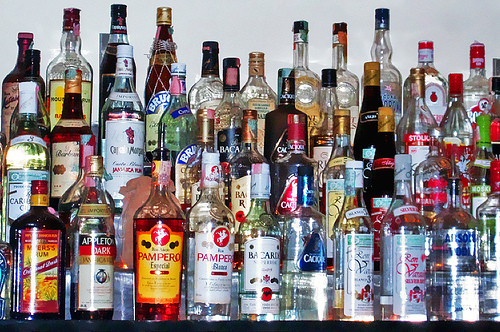
If you are being called an alcoholic by people, you should step back from drinking alcohol, as it may damage your reputation in your home and lead to arguments and hostilities. It might also trigger problems with close friends and/or disputes at the office. You are heading in the direction of alcohol dependence if people believe negative about you since of your drinking habits.
* Hunting for an Opportunity to Drink:
If you invariably find a few way or the other to consume alcohol, you are in all likelihood an alcoholic. If your close friends talk about going to a celebration, outing, or an overnight stay, and the primary thought that comes to your thoughts is the availability of alcohol or an excellent option to consume alcohol, it is also a warning sign that you are becoming addicted to it.
* Transformation in Conduct:
Regular drinking of alcohol can have a negative effects on your body as well as brain. Some typical indicators of alcoholism are low appetite, short-term loss of memory or inability to remember points, unconsciousness, sleeping disorders, loss of command over body, and weight loss.
* Hiding Alcohol:
If you are scared of showing your loving for alcohol to people and conceal it in places like the car or truck, your personal cupboard, restroom, etc., it also implies that you are becoming dependent to it.
* Spending Hours at the Pub:
If you spend more time at the bar to consume alcohol than you used to previously, it is also an indicator of alcohol dependence.
* Reduced Interest in Leisure Activity:
A person that is on the brink of being an alcoholic would unfailingly show less interest in a pastime or any kind of profitable activity.
* Neglected Look:
Raging Alcoholic
An individual who starts drinking alcohol would care less about his/her body posture, personal hygiene, and grooming. Such kind of negative factors are also signals that identify with alcohol abuse.
* Workplace Issues:
Warning symptoms of alcohol dependence can also be identified by things like unsatisfactory job productivity, blaming others for one's own blunders, missing out on vital meetings and scheduled appointments, problems at work due to hangovers, and arriving late for work remarkably often.
rasputin
When we think about alcohol or alcohol dependence, the primary thing that comes to our mind is that it is damaging and needs to be kept away from. People consume alcoholic beverages for numerous different reasons, and if they don't slow down at the right time, it can result in alcohol addiction. In spite of routine counseling by a physician and a positive determination to stop drinking alcohol, if an individual is still unable to quit the consumption, it is as well a caution indicator of alcohol addiction. If people believe bad about you just because of your alcohol consumption practices, you are heading towards alcohol addiction.
more on alcoholism
Some typical symptoms of alcoholism are low desire for foods, temporary memory loss or failure to remember things, unconsciousness, insomnia, loss of control over body, and weight loss.
Common Treatments options for Alcohol Addiction?
Traditional Medicine for Alcohol Addiction
alcohol problem
Treatment for alcohol dependence can start only when the alcoholic admits that the problem exists and agrees to stop drinking. He or she must realize that alcoholism is curable and should be driven to change. Treatment has three phases:
Detoxification (detoxing): This could be needed as soon as possible after stopping alcohol consumption and can be a medical emergency, considering that detoxification might cause withdrawal seizures, hallucinations, delirium tremens (DT), and sometimes may induce death.
Rehab: This involves counseling and medications to offer the recovering alcoholic the skills needed for sustaining sobriety. This phase in treatment can be accomplished inpatient or outpatient. Both of these are just as effective.
Maintenance of sobriety: This step's success requires the alcoholic to be self-motivated. The secret to abstinence is support, which commonly consists of routine Alcoholics Anonymous (AA) meetings and obtaining a sponsor.
Because detoxing does not stop the craving for alcohol, recovery is commonly hard to maintain. For a person in an early stage of alcohol addiction, terminating alcohol use may trigger some withdrawal manifestations, including anxiety and poor sleep. Withdrawal from long-lasting dependence may induce uncontrollable trembling, spasms, anxiety, and the hallucinations of DTs. If not remedied professionally, individuals with DTs have a death rate of additional than 10 %, so detoxing from late-stage alcohol dependence must be attempted under the care of a highly trained physician and might require a short inpatient stay at a healthcare facility or treatment center.
Treatment may include one or more pharmaceuticals. Benzodiazepines are anti-anxiety pharmaceuticals used to address withdrawal symptoms like anxiety and disrupted sleep and to prevent convulsions and delirium. These are one of the most often used pharmaceuticals during the course of the detox phase, at which time they are typically tapered and then terminated. They have to be used with care, considering that they may be addicting.
There are numerous medications used to assist people in recovery from alcoholism maintain sobriety and sobriety. It conflicts with alcohol metabolism so that consuming alcohol even a little quantity is going to trigger nausea, retching, blurred vision, confusion, and breathing troubles.
Another medication, naltrexone, reduces the craving for alcohol. Naltrexone can be offered even if the individual is still drinking; nevertheless, just like all pharmaceuticals used to address alcoholism, it is advised as part of an extensive program that teaches clients new coping skills. It is currently offered as a controlled release injection that can be offered on a monthly basis. Acamprosate is yet another medicine that has been FDA-approved to lower alcohol craving.
Research suggests that the anti-seizure medications topiramate and gabapentin might be of value in minimizing http://www.medicinenet.com/alcohol_abuse_and_alcoholism/article.htm yearning or stress and anxiety during recovery from drinking, although neither one of these pharmaceuticals is FDA-approved for the treatment of alcohol dependence.
drunks
Anti-anxietyor Anti-depressants drugs might be administered to control any resulting or underlying stress and anxiety or melancholy, but because those syndromes might cease to exist with sobriety, the pharmaceuticals are normally not started until after detoxing is complete and there has been some time of abstinence.
stop drinking
Since an alcohol dependent person stays susceptible to relapse and potentially becoming dependent again, the goal of recovery is overall abstinence. Rehabilitation typically takes a Gestalt approach, which may consist of education and learning programs, group therapy, spouse and children participation, and involvement in self-help groups. Alcoholics Anonymous (AA) is the most well known of the support groups, but other approaches have also proved profitable.
Diet and Nutrition for Alcohol addiction
Poor nutrition goes with alcohol abuse and alcohol dependence: Because an ounce of alcohol has more than 200 calories but zero nutritionary benefit, consuming serious levels of alcohol informs the body that it does not need additional food. Problem drinkers are often lacking in vitamins A, B complex, and C; folic acid; carnitine; zinc, magnesium, and selenium, as well as necessary fatty acids and antioxidants. Restoring such nutrients-- by supplying thiamine (vitamin B-1) and a multivitamin-- can assist recovery and are a fundamental part of all detox programs.
Home Remedies for Alcohol addiction
Abstinence is one of the most crucial-- and probably the most hard-- steps to rehabilitation from alcoholism. To learn how to live without alcohol, you have to:
Steer clear of individuals and locations that make consuming alcohol the norm, and find different, non-drinking buddies.
Sign up with a self-help group.
Employ the assistance of family and friends.
Replace your negative dependence on alcohol with favorable reliances such as a brand-new hobby or volunteer service with church or civic groups.

Start working out. Physical exertion releases chemicals in the human brain that offer a "all-natural high." Even a walk after dinner may be tranquilizing.
Treatment methods for alcohol dependence can begin only when the alcoholic acknowledges that the issue exists and agrees to quit consuming alcohol. For an individual in an early stage of alcoholism, discontinuing alcohol use might result in some withdrawal symptoms, including stress and anxiety and disturbed sleep. If not remedied appropriately, people with DTs have a mortality rate of more than 10 %, so detoxification from late-stage alcoholism should be tried under the care of an experienced doctor and might require a brief inpatient stay at a healthcare facility or treatment center.
There are a number of medicines used to assist people in recovery from alcohol dependence maintain sobriety and abstinence. Poor health and nutrition goes with heavy alcohol consumption and alcoholism: Because an ounce of alcohol has more than 200 calories and yet no nutritional value, consuming big amounts of alcohol informs the body that it does not need additional food.
Withdrawal Onset
Onset of alcohol withdrawal usually begins 6-- 24 Hrs after the last drink. But exactly what can you anticipate in whens it come to moderate alcohol withdrawal signs and symptoms vs. extreme signs and symptoms and their duration?
Alcohol Detoxing Timeframe
Alcohol withdrawal symptoms: how long?
The duration, length, and intensity of alcohol detoxing all depend upon personal elements like: degree of alcohol dependence, individual health, age, gender, and so on. Nevertheless, some standard principles exist throughout alcohol detoxing, too. For less severe instances of alcohol dependency, detoxing from alcohol is typically brief, and ends after 2 - 3 days without treatment. Infrequently, detoxing may go on for as many as fourteen days.
stages of addiction
For how long after your last drink do signs and symptoms of alcohol detoxification begin?
Detoxing can take place when the blood alcohol level is decreasing, even when an individual is still drunk. Onset of alcohol detox is typically 6-- 24 hours after the last alcoholic beverage. Consuming opiates or sedatives can delay the start of the detox process.
Alcohol Detox Timeline
Alcohol detoxification duration typically lasts from around 5-14 days depending upon for how long the patient has been drinking. This depends on lots of elements. The intensity of alcohol detoxs likewise is established on the amount of alcoholic beverages on each day, the total number and severity of past withdrawal episodes, usage of tranquillizing medicines, and the number of health issue.
Initial stage: 0-72 hours
When does alcohol detox begin?
In between 0- 72 hours of an alcohol detox, basic symptoms can happen. Preliminary signs and symptoms consist of tremor, anxiety, insomnia, uneasyness, and queasiness. These conditions typically diminish with no treatment after a handful of days in individuals just mildly dependent on alcohol. However, more major withdrawal conditions occur in around 10 % of people going through alcohol detoxing. These conditions can consist of:
fever
increased blood pressure
raised body temperature level
heightened breathing rate
increased pulse
profuse sweating
fast breathing
convulsions
tremors
In cases of severe alcohol dependency, extreme conditions begin to materialize right away. Convulsion attacks or seizures generally begin early in the detox procedure, around 7-24 hours after the last drink of alcohol, and do not always occur in a solitary episode. Seizures may manifest in people of any age and are followed by muscle contractions and possible loss of consciousness. People with a previous history of extreme alcohol withdrawal must be observed frequently during this process.
Second stage: 2-- 5 days
During the initial week of alcohol detox, other types of severe symptoms may occur, including delirium tremens ("the DTs"). Delirium tremens is the most extreme kind of alcohol detox syndrome, and medical intervention is required. It normally develops 2-- 5 days after halting or substantially minimizing alcohol consumption. This state of the body includes extreme symptoms, severe restlessness or agitation, autonomic nervous system instability, significant tremor, confusion and disorientation, paranoid ideation, hallucinations (any senses). Its mild conditions are: anxiety, shakiness depression, state of mind swings, nightmares, not believing plainly.

How Long To Detox From Alcohol?
allergic to alcohol
Alcohol detox period typically lasts from 5-14 days but conditions can continue for weeks or months after detoxification, depending upon how long the client has been drinking and the phase of alcohol dependence. Actually, a number of people may experience continued fatigue, sleep problems, emotional instability, reduced sexual interest, and hostility for weeks after their last drink. This subset of conditions are called "protracted/post-acute" withdrawal symptoms (PAWS).
Severe conditions of withdrawal occur at the beginning of the detoxing duration, and they last for about 2 weeks. After this period, individuals may experience drawn-out withdrawal symptoms that last for a substantial period of time. Medical research suggests that a lengthy withdrawal syndrome can develop following severe withdrawal and can persist for at least 1 year after your last alcoholic beverage. Common PAWS conditions include:
anxiety
reduced energy
reduced metabolic process
melancholy
belligerence
minimized sexual interest
sleep interruption
tremblings
http://www.niaaa.nih.gov/
Horrible Hangover
The term hangover describes a constellation of unpleasant and uncomfortable symptoms that can establish after drinking excessive alcohol. Those signs can range from mild discomfort to the more severe signs described above.
There is no set amount of alcohol that will cause a hangover, since each individual responds to alcohol in a different way, however generally, the more you needed to drink, the more severe the hangover signs.

The Symptoms of a Hangover
Most of the undesirable symptoms experienced during a hangover are caused by two aspects: the diuretic alcohol effect that triggers the drinker to become dehydrated, and the harmful results of alcohol poisoning of many systems of the body.
Extreme quantities of alcohol can influence the liver, the brain, the intestinal system, the central nervous system and sensory perception. It can interrupt your sleep and other body rhythms, affect your state of mind and impact your attention and concentration.
"Hangover Symptoms".
The Causes of a Hangover.
http://ragingalcoholic.com/four-stages-of-addiction/
http://ragingalcoholic.com/is-alcoholism-a-disease/
Most of the signs experienced during a hangover are dued to the direct impact of alcohol on the body's systems, as discussed above, however there are many other aspects that can add to the unpleasantness of a hangover that are not direct effects of the alcohol consumed.
Hangover symptoms can also be dued to the withdrawal of alcohol from the body, the impacts of metabolites produced when alcohol is consumed, other chemicals found in liquors, behaviors related to drinking and personal qualities of the drinker.
"Hangover Causes".
The Remedy for Hangovers.
There are numerous traditional practices that are believed to relieve hangover symptoms, but some of them are unfounded misconceptions that really do not assist much at all. There are some practices that can actually make matters worse.
Left alone, hangover signs will certainly go away by themselves within 8 to 1 Day, but when your head is pounding and the living room is spinning, any treatment that can bring relief can seem like a smart idea.
"Hangover Cures".
Avoiding a Hangover.
The very best treatment for a hangover is to never get one in the first place. People who drink nonalcoholic drinks do not get hangovers, and usually speaking, those who consume moderate quantities-- one beverage a day for females and no more than 2 a day for men-- do not experience hangover signs.
If you drink any alcohol at all, though, you can experience unfavorable consequences the next early morning. Although there is no sure way to remove all the discomfort of a hangover, there are steps that you can require to minimize the extent of the symptoms.
"Hangover Prevention".
The Hangover as a Deterrent.
For many people who experience an especially serious hangover, it can be the motivation to never drink excessively once again. It happens every day: someone has an extremely bad experience after drinking too much and they just decide to stop drinking and they never drink once more.
Others, though, continue to drink in spite of repeated bouts with severe hangover symptoms. Remaining to consume in spite of negative consequences can be indicator of alcoholism or alcohol dependence or, at least, alcohol abuse. Heavy drinkers who have actually testified themselves "never ever once more" during a hangover, but return to drinking a short time later, have, by definition, a drinking issue.
http://familydoctor.org/familydoctor/en/diseases-conditions/alcohol-abuse.html
When we think of alcohol or alcohol dependence
When we think about alcohol or alcoholism, the primary point that pops into our thoughts is that it is negative and ought to be avoided. People consume alcoholic beverages for any number of purposes, and if they don't step back at the right time, it can provoke alcoholism. The starting phase of this is slow-moving and can not be evaluated before there are a few warning signals from the conduct of an alcoholic.
* Addiction:
Despite routine therapy by a medical professional and a favorable determination to give up drinking alcohol, if one is still incapable to quit the consumption, it is also a caution sign of alcohol addiction. Overwhelming urge for alcohol in the morning also offers a notion about the degree of dependence.
* Drinking Covertly:
consequence of drunk driving
facts about drinking and driving
People frequently drink alcohol in order to get rid of their stress or despair, and they accomplish this by drinking in a location where nobody can watch them. They also use alcohol consumption as a method of minimizing psychological pressure, frustration, and loneliness.
* Bad Credibility:

If you are being called an alcoholic by people, you ought to step back from drinking alcohol, as it may damage your reputation at home and trigger fights and arguments. It might also lead to problems with buddies and/or disputes at the workplace. You are heading towards alcohol dependence if people think bad about you since of your drinking alcohol patterns.
* Hunting for a chance to Drink:
You are probably an alcoholic if you invariably discover a few means or the other to drink. If your close friends speak about going to a party, getaway, or an overnight stay, and the first thought that comes to your mind is the accessibility of alcohol or a great opportunity to drink, it is also a warning sign that you are getting addicted to it.
* Transformation in Conduct:
Regular consumption of alcohol can have a damaging repercussions on your body as well as brain. A few typical indicators of alcohol dependence are low desire for foods, temporary loss of memory or failure to recall points, unconsciousness, sleeping disorders, loss of control over body, and weight loss.
* Concealed Alcoholic Drink:
If you are terrified of showing your loving for alcohol to people and hide it in places like the car or truck, personal drawer, restroom, etc., it also indicates that you are getting dependent to it.
Wasting Lots of Time at the Bar:
If you while away longer time at the tavern to drink than you used to before, it is also a symptom of alcohol addiction.
* Reduced Interest in Recreation:
An individual that is on the brink of being an alcoholic would habitually show less interest in a hobby or any kind of positive endeavor.
* Neglected Appearance:
A person who begins consuming alcohol would care less about his/her body posture, personal hygiene, and grooming. Such kind of negative aspects are also indicators that connect to alcohol abuse.
* Career Issues:
Warning signs of alcohol dependence can also be determined by factors like unsatisfactory work performance, accusing others for one's own mistakes, missing out on vital meetings and scheduled appointments, problems at work due to hangovers, and showing up late for work quite often.
When we think about alcohol or alcohol addiction, the primary point that comes to our thoughts is that it is bad and needs to be kept away from. People ingest drinks for many different reasons, and if they don't slow down at the appropriate time, it can bring about alcohol dependence. In spite of routine therapy by a medical professional and a favorable willpower to stop drinking alcohol, if an individual is still not able to quit the drinking, it is as well a warning sign of alcoholism. If people believe negative about you just because of your drinking practices, you are moving towards alcohol addiction.
A few typical symptoms of alcohol dependence are low appetite, temporary loss of memory or failure to remember things, unconsciousness, sleeplessness, loss of control over body, and loss of weight.
http://www.covecenterforrecovery.com/treatments/alcohol-abuse-rehabilitation/
Alcohol Can Trigger Changes In The Structure And Operation Of The Developing Brain
Alcohol can cause changes in the structure and function of the growing brain, which continues to develop into a person's mid 20s, and it may have repercussions reaching far beyond adolescence.
In adolescence, brain development is identified by remarkable modifications to the brain's architecture, neuron connectivity ("electrical wiring"), and physiology. These changes in the brain disturb everything from developing sexuality to emotions and judgment.
Not all parts of the adolescent brain mature at the exact same time, which may put an adolescent at a disadvantage in specific circumstances. The limbic areas of the brain mature sooner than the frontal lobes.
Ways Alcohol Disturbs the Brain
stages of change in addiction
Alcohol affects an adolescent's brain development in numerous ways. The consequences of minor alcohol consumption on specialized brain activities are detailed below.
Alcohol is a central nervous system sedative drug. Alcohol can seem to be a stimulant because, before anything else, it depresses the part of the human brain that controls inhibitions.
CEREBRAL CORTEX-- Alcohol reduces the cortex as it works with details from an individual's senses.
CENTRAL NERVOUS SYSTEM-- When a person thinks about something he desires his body to undertake, the central nervous system-- the brain and the spinal cord-- sends out a signal to that part of the body. Alcohol impedes the central nervous system, making the individual think, communicate, and move more slowly.
victim impact
FRONTAL LOBES -- The brain's frontal lobes are necessary for planning, forming concepts, decision making, and using self-discipline.

An individual might find it tough to manage his or her emotions and urges when alcohol affects the frontal lobes of the brain. The individual may act without thinking or may even become violent. Drinking alcohol over an extended period of time can damage the frontal lobes forever.
HIPPOCAMPUS-- The hippocampus is the portion of the brain in which memories are made.
Once alcohol reaches the hippocampus, a person might have difficulty recalling a thing he or she just learned, like a person's name or a telephone number. This can occur after just one or two alcoholic beverages.
Drinking a lot of alcohol rapidly can trigger a blackout-- not being able to remember entire happenings, like what exactly she or he did last night.
A person might find it difficult to learn and to hold on to knowledge if alcohol damages the hippocampus.
CEREBELLUM-- The cerebellum is important for coordination, thoughts, and attention. Once alcohol gets in the cerebellum, a person might have trouble with these abilities. After consuming alcohol, a person's hands might be so shaky that they can't touch or grab things properly, and they might fail to keep their balance and fall.
HYPOTHALAMUS-- The hypothalamus is a little part of the brain that does an incredible number of the physical body's housekeeping tasks. Alcohol frustrates the work of the hypothalamus. After a person consumes alcohol, blood pressure, hunger, thirst, and the impulse to urinate intensify while physical body temperature and heart rate decrease.
Alcohol actually cools down the body. Consuming a lot of alcohol outdoors in cold weather can cause a person's physical body temperature to fall below normal.
An individual might have difficulty with these skills when alcohol gets in the cerebellum. After drinking alcohol, an individual's hands might be so shaky that they cannot touch or get hold of things properly, and they may lose their equilibrium and fall.
After an individual alcoholic beverages alcohol, blood pressure, hunger, thirst, and the desire to urinate increase while body temperature levels and heart rate decline.
Alcohol actually cools down the physical body. Consuming a lot of alcohol outdoors in cold weather can cause an individual's body temperature to drop below normal.
http://alcoholism.about.com/cs/homework/a/blwhatis2.htm
Binge Drinking, What is it?
The actual amount of alcohol you need to drink in a session for it to be labeled as binge drinking varies depending on who you ask, but the standard definition is approx. eight units of alcohol (around 3 pints of strong beer), and 2-3 units of alcohol for women (around 2 large glasses of wine) ingested in a short period of time.
However, these numbers are far from accurate, and in the real world, binge drinking is better defined by the degree of drunkenness than the quantity of alcohol. The National Institute on Alcohol Abuse and Alcoholism (NIAAA) designates binge drinking as "a pattern of drinking that brings a person's blood alcohol concentration (BAC) to.08 % or above".
In layperson's terms, if you're drinking to "get hammered ", you're binge drinking.
What Are The Effects Of Binge Drinking?
Numerous research studies have substantiated that consuming significant quantities of alcohol in single drinking sessions is actually more hazardous to your health than consuming smaller quantities on a regular basis.
In many countries, binge drinking is considered an appropriate social activity among developing professionals and university age kids. Regular binge drinking is often viewed as a initiation rite into adulthood.
http://ragingalcoholic.com/signs-of-alcoholism/
Binge drinkers exercise exceptionally bad judgment and aggressiveness. Binge drinkers normally make bad decisions they wouldn't make when sober or when http://alcoholism.about.com/cs/homework/a/blwhatis2.htm drinking within their limits.
2. Accidents and tumbles are common. This is because of the dangerous effects intoxication has on decision making, balance and motor skills.
3. In rare instances, binge drinkers could experience deadly alcohol poisoning. Binge drinkers are likewise susceptible to suffocating to death on their own regurgitate if they lose consciousness on their back. If you are taking caring of an individual who's passed out drunk, always make sure to keep them face down.
4. Binge drinking is a portal to long-term misuse and dependence. Everyone who has ever abused alcohol or become an alcoholic has binged. This doesn't mean binge drinking generates alcohol addiction, because, nearly all binge drinkers are functional members of society. For people who have addictive leanings or for whom alcoholism runs deep in the family, avoiding binge drinking sessions may be a way to avoid diving into the snare of alcohol dependency in the first place.
5. Binge drinking is able to induce depression in some individuals, especially when its used as a way to cover-up psychological suffering.
6. Routinely taking part in binge drinking poses long term health and well-being risks, normally including increased possibility of stroke, heart disease, liver disease, and hypertension.
Should I Avoid Binge Drinking Altogether?
sons of liberty
If you have problems with alcohol, then yes, binge drinking is a definite no-no. Countless blossoming adults get hammered on weekends and have a good time.
I had a great time drinking and partying in college and quite a bit afterwards. Clearly, things began to deteriorate for me eventually, but I have plenty of close friends who party and binge sometimes, but do so sensibly and lead perfectly productive lives with no alcohol tolerance or abuse problems.
I can't tell you not to binge drink, having said that, I can tell you that it's not free from its risks. I can instruct you to be cautious and realize that even though you're young you are not superhuman. Accidents and problems do happen, and some of these mishaps and misjudgments can have permanent, life changing repercussions. In many instances, all it takes is 1 evening to transform your life forever.
Do it as responsibly as possible if you're going to binge drink. Also, pay attention these warning signs that might tell you when your weekend social binge drinking has morphed into a serious alcohol problem:
* The consequences of a wild night out are continuously escalating
* You start to binge drink more and more often
* You are running into problems with the police
* You've had a pregnancy scare
* You drive and drink
* You never go more than a couple weeks without binge drinking
* You've lost consciousness someplace or another without any one to keep an eye out for you
* You've regurgitated in your sleep
* You're racking up credit card debt to afford your pub-crawling habits
* You have un-safe sex
* Friends/family have actually confronted you about your alcohol consumption
* You binge drink on your own (big warning here).
In numerous countries, binge drinking is regarded as an acceptable social activity among younger professionals and college and university age kids. Habitual binge drinking is commonly seen as a rite of passage into adulthood. Binge drinkers normally make imperfect decisions they wouldn't make when clear-headed or when drinking within their limits. For those with addictive inclinations or for whom alcohol dependence runs the family, avoiding binge drinking sessions may be a way to avoid diving into the snare of alcoholism in the first place.
If you have problems with alcohol, then yes, binge drinking is a definite no-no.
Just what is Alcohol Withdrawal Syndrome
When they quit drinking, alcohol withdrawal syndrome is a cluster of signs and symptoms that people that have had an alcohol abuse issue for years, weeks or months could experience. Men and women that only drink once in a while rarely have withdrawal signs and symptoms.
Men and women that have gone through withdrawal http://www.amazon.com/The-Alcoholic-Jonathan-Ames/dp/1401210570 before are actually more likely to get withdrawal signs and symptoms every time they stopped drinking.

What are the signs and symptoms of alcohol withdrawal syndrome?
Signs and symptoms could be moderate or extreme, and could include:
Shakiness
Perspiring
Anxiousness
Irritability
Fatigue
Depression
Headaches
Insomnia
Nightmares
Diminished desire for food
More severe withdrawal signs and symptoms could also include high temperature, convulsions and delirium tremens (also called DTs). People who have DTs could experience mental confusion, anxiousness or even hallucinations (seeing, hearing or feeling things that are not actually there). If they are not cared for by a physician, dts can be profoundly serious.
Do men and women experiencing withdrawal need to see a doctor?
If you go through withdrawal a number of times without getting the right treatment, your symptoms could get worse each time. Even if your withdrawal signs and symptoms don't seem that harmful, it's important to see your medical professional.
People who quit using other drugs (like using tobacco, injected substances or cocaine) simultaneously they quit drinking alcohol might have extreme withdrawal issues. They should see a medical professional before they stop.
How can my doctor assist me if I'm in withdrawal?
Your physician can supply the encouragement you will need to be successful in your attempts to quit consuming alcohol. He or she can monitor your withdrawal symptoms to help prevent more dangerous health problems.
Your doctor can also prescribe medications to deal with the shakiness, anxiousness and mental confusion that can come with alcohol withdrawal. They may keep your symptoms from getting worse if you take these medicines at an early stage of the withdrawal.
What can my friends and family do to help me if I'm going through withdrawal?
The urge to drink again during withdrawal can be profoundly strong. Support from family and friends may help you withstand that drive. After withdrawal signs and symptoms go away, it's important to join a treatment or sobriety program, such as Alcoholics Anonymous (see contact information under "Other Organizations"). These programs can supply the encouragement you ought to avoid relapse.
Alcohol Withdrawal Syndrome Signs?
More severe withdrawal symptoms may also include high temperature, seizures and delirium tremens (also called DTs). If you go through withdrawal a number of times without getting the appropriate treatment, your symptoms could get more severe each time. Even if your withdrawal symptoms don't seem that injurious, it's important to see your medical professional. After withdrawal signs and symptoms go away, it's important to join a treatment or sobriety program, such as Alcoholics Anonymous (see contact information under "Other Organizations").
Abusing Alcohol is Harmful
Alcohol Abuse
Alcohol abuse is identified as a habit of alcohol consumption that produces one or more of the following circumstances within a 12-month period:
Inability to satisfy major work, class, or domestic responsibilities

Consuming in situations that are physically hazardous, like while running or operating a vehicle equipment
Having repeating alcohol related legal issues, like being jailed for driving a vehicle under the influence of alcohol or for physically harming someone while drunk
Continued alcohol consumption in spite of having recurring relationship troubles that are caused or worsened by the drinking.
Alcohol dependency, or alcohol dependence, is the most serious kind of alcohol abuse. It is a chronic condition defined http://www.yourdictionary.com/alcoholic by the consumption of alcohol at a level that interferes with physical and mental health and wellness and with family and social responsibilities. An alcoholic will continue to drink regardless of major health, household, or legal issues.
Alcohol addiction is affected by both ecological and hereditary variables. Alcoholism is chronic: It lasts a person's lifespan. It typically follows a predictable course and has identifiable signs.
More men than women are alcohol dependent or have alcohol issues. People who begin drinking at an early age have a higher chance of developing alcohol troubles at some point in their lives.
Alcohol's effects vary with age. Slower response times, problems with hearing and seeing, and a lower tolerance to alcohol's effects put more mature individuals at higher risk for tumbles, vehicle crashes, and other types of injuries that may result from drinking. Over 150 medications interact harmfully with alcohol.
Alcohol also affects women differently than men. Females become more impaired than men do after drinking the same amount of alcohol, even when differences in body weight are taken into consideration. Additionally, chronic alcohol abuse takes a heavier physical toll on women than on men. Alcoholism and associated medical problems, like brain, liver, and heart damage, progress more quickly in ladies.
Alcoholism, or alcohol dependence, is the most extreme form of alcohol abuse. More guys than ladies are alcohol dependent or have alcohol issues. Individuals who start drinking at an early age have a higher chance of developing alcohol problems at some time in their lives.
Slower reaction times, issues with hearing and seeing, and a lower tolerance to alcohol's effects put older people at greater danger for falls, vehicle crashes, and other types of injuries that might result from drinking.
Just what to Anticipate at a Drug and Alcohol Treatment Facility
The alcoholism treatment clinics care for the condition of alcohol addiction. These facilities make the technique of conquering alcohol addiction less complicated for the clients. The therapy facilities abide by some crucial steps to help the patient recuperate from alcohol dependence.
what is the definition of binge drinking
Detoxing: Alcohol detoxing or 'detox' is the procedure of cleansing the patient's body by removing the toxins. Depending upon the level of dependency, the detox can be a smooth or it can be a very distressing technique for the client to comply with.

rasputin
Withdrawal: These are the symptoms that follow the technique of detoxification. Because the client's system (mind and body ) is used to the presence of alcohol, all of a sudden stopping the consumption of alcohol develops a sort of 'vacuum'. The client might encounter symptoms such as seizures, tremors, hallucination and high fever. The withdrawal manifestations typically strong-arm the client to revert to the original state of alcohol dependence. For this reason, counteracting these symptoms could be an agonizing job for the patient even under strict supervision.
Understanding the Root Cause: Along with medical treatment, the therapy facilities also focus on the mindset of the patient. Understanding and resolving the behavioral and mental issues of the patient is the key to keep the man or woman away from any kind of relapse.
Kinds of Alcohol Treatment Centers
There are many facilities working in the area of alcohol recovery. With the rise in alcohol abuse among people and especially teens, efforts are being taken to care for problem drinkers.
In Patient Treatment Centers: In these centers, the client will have to stay under the supervision of physicians.
Out Client Therapy Facility: The patients have to go to frequent meetings at the clinics in addition to complying with a rigorous routine to alcohol addiction. The system is, nevertheless, not appropriate for clients suffering from chronic alcohol dependence. Such treatments require incredible self-discipline from the addict. The client can be treated in a short period of time if the dependence is not serious
Adolescent Alcohol Treatment Clinics: Teens go through incredible physiological and psychological http://www.recoveryconnection.org/connect/alcohol-rehab-centers-rehab-long-job/ changes. The therapy may assist establish self-confidence and altogether alter the outlook of the client towards life.
Christian Alcohol Therapy Facilities: A relatively new and innovative concept in counteracting alcohol abuse, the Christian alcohol treatment is also referred to as a 'faith based system'.
Alcohol treatment facilities play an important function in the rehab of the addicted. It is discovered that clients who complete the treatment programs have rarely relapsed to alcohol addiction. It would be proper to say that, no matter how proficiently a treatment program is formulated, recovery from alcohol addiction is possible only if the client takes the requisite efforts to hold the practice of alcohol consumption at bay.
The therapy facilities comply with some essential guidelines to assist the client recover from alcohol dependence.
Because the patient's system body and mind is accustomed to the presence of alcohol, all of a sudden stopping the intake of alcohol produces a kind of 'vacuum'. Understanding the Root Cause: Along with medical therapy, the treatment clinics also focus on the mindset of the patient. Out Patient Therapy Centers: The clients have to attend frequent meetings at the facilities apart from abiding by a rigorous routine to triumph alcohol addiction. It would be suitable to state that, no matter how effectively a therapy program is formulated, recovery from alcohol addiction is possible solely if the patient takes the necessary efforts to keep the practice of alcohol consumption at bay.
Clinical depression: Recognizing the Physical Signs
Caring for Physical Signs
Most of us know of the psychological manifestations of clinical depression. You might not know that depression can be associated with numerous physical manifestations, too.
Numerous individuals with clinical depression suffer from chronic pain or other physical symptoms. These consist of:
Headaches.
These are relatively common in people with depression. They might seem worse if you're clinically depressed if you previously had actually migraine headaches.

Back discomfort.
If you already endured back pain, it may be even worse if you come to be depressed.
Muscle aches and joint soreness. Depression can make any sort of persistent pain even worse.
Clearly, it's very important to get chest soreness inspected out by an professional right away. Depression can contribute to the pain associated with chest discomfort.
Digestion issues.
You may feel queasy or nauseated . You might have looseness of the bowels or come to be persistantly constipated.
Low energy and fatigue.
Irrespective of how much you sleep, you may still feel tired or worn out. Getting out of the bed in the early morning might seem to be very hard, even impossible.
Numerous people with clinical depression cannot sleep well any longer. They wake up too early or cannot fall asleep when they go to bed .
Modification in appetite or body weight.
Some people with clinical depression lose their desire for foods and drop weight. Others discover they long for specific foods-- especially those with high carbs-- and gain weight.
Dizziness or lightheadedness.
Since these signs occur with numerous conditions, numerous depressed people never ever get aid, because they don't understand that their physical signs might be caused by depression. A lot of medical professionals miss the manifestations, too.
These are relatively common in individuals with clinical depression. Obviously, it's extremely vital to get chest pain checked out by an expert right away. Clinical depression can contribute to the pain associated with chest pain.
Numerous people with clinical depression can't sleep well any longer. Some people with clinical depression lose their desire for food and lose weight.
Depression and Alcohol Consumption
http://www.medicinenet.com/depression/article.htm
Depression: Spotting the Physical Signs
Caring for Physical Signs
Many of us understand the emotional indicators of clinical depression. You may not understand that clinical depression can be associated with numerous physical signs and symptoms, too.
In fact, many individuals with clinical depression suffer from persistent pain or other physical symptoms. These include:
Headaches.
These are fairly typical in people with depression. They may appear even worse if you're depressed if you previously had migraine headaches.
Back pain.
It might be worse if you become depressed if you already suffer with back soreness.
Muscle pains and joint soreness. Clinical depression can make any sort of chronic discomfort even worse.
Chest soreness.

Obviously, it's essential to get chest pain checked out by an professional right away. It can be a sign of harmful heart, stomach, lung or other issues. But clinical depression can add to the discomfort associated with chest discomfort.
Digestive problems.
You may feel nauseated or queasy . You might have looseness of the bowels or come to be persistantly constipated.
Low energy and tiredness.
Regardless of how much you sleep, you might still feel tired or worn out. Leaving the bed in the early morning might seem to be very hard, even impossible.
Sleeping issues.
Many people with depression can't sleep well anymore. They get up too early or can't drop off to sleep when they get into bed. Others sleep much more than normal.
Change in desire for foods or weight.
Some people with clinical depression lose their desire for foods and drop weight. Others find they crave certain foods-- especially those with high carbohydrates-- and gain weight.
Dizziness or lightheadedness.
Due to the fact that these manifestations accompany numerous conditions, numerous depressed individuals never ever get aid, because they have no idea that their physical manifestations might be dued to clinical depression. A lot of physicians miss the signs, too.
These are relatively typical in people with clinical depression. Certainly, it's extremely vital to get chest discomfort looked at by an professional right away. Clinical depression can contribute to the discomfort associated with chest pain.
Lots of individuals with clinical depression can't sleep well any longer. Some individuals with depression lose their desire for food and lose weight.
Depression and Alcohol Consumption
http://en.wikipedia.org/wiki/Clinical_depression
Clinical depression: Identifying the Bodily Signs
Treating Physical Signs and Symptoms
The majority of us know of the emotional manifestations of clinical depression. But you may not understand that clinical depression can be connected with numerous physical indicators, too.
In fact, lots of people with clinical depression suffer from persistent discomfort or other physical symptoms. These include:
Headaches.
These are relatively typical in individuals with depression. If you previously had migraine headaches, they may seem worse if you're clinically depressed.

Back soreness.
It may be worse if you come to be depressed if you previously suffer with back discomfort.
Muscle aches and joint discomfort. Clinical depression can make any kind of persistent pain worse.
Obviously, it's very vital to get chest discomfort examined out by an professional right away. Depression can contribute to the discomfort associated with chest discomfort.
Digestion issues.
You might feel nauseated or queasy . You may have diarrhea or come to be persistantly constipated.
Low energy and fatigue.
Irrespective of what amount you sleep, you may still feel fatigued or worn out. Leaving the bed in the early morning may seem to be extremely hard, even impossible.
Many people with clinical depression cannot sleep well any longer. They wake up too early or cannot fall asleep when they go to bed .
Change in desire for food or weight.
Some people with depression lose their desire for foods and slim down. Others find they yearn for particular foods-- especially those with high carbs-- and weigh more.
Faintness or lightheadedness.
Because these symptoms accompany numerous conditions, many depressed people never ever get assistance, because they have no idea that their physical signs might be created by depression. A lot of physicians miss out on the symptoms, too.
These are relatively common in people with depression. Obviously, it's very vital to get chest discomfort examined by an professional right away. Clinical depression can contribute to the discomfort associated with chest discomfort.
Numerous people with depression cannot sleep well anymore. Some people with clinical depression lose their desire for foods and lose weight.
Depression and Alcohol Consumption
http://www.mayoclinic.org/diseases-conditions/depression/basics/symptoms/CON-20032977
Depression: Recognizing the Physical Signs and symptoms
Treating Physical Manifestations
Many of us recognize about the emotive signs and symptoms of clinical depression. You may not recognize that clinical depression can be associated with lots of physical indicators, too.
Numerous people with clinical depression suffer from persistent pain or other physical indicators. These consist of:
Headaches.
These are relatively typical in people with clinical depression. They might appear worse if you're clinically depressed if you previously had actually migraine headaches.
Back discomfort.
If you previously suffered with pain in the back, it might be even worse if you come to be clinically depressed.
Muscle pains and joint pain. Clinical depression can make any kind of chronic pain even worse.
Undoubtedly, it's extremely crucial to get chest pain checked out by an professional right away. Depression can contribute to the discomfort associated with chest discomfort.
Digestion issues.
You might feel nauseated or queasy . You might have diarrhea or come to be chronically constipated.
Low energy and fatigue.
Irrespective of what amount you sleep, you may still feel fatigued or worn out. Getting out of the bed in the morning might seem to be very hard, even impossible.
Sleeping problems.
Lots of people with clinical depression cannot sleep well any longer. They wake up prematurely or cannot drop off to sleep when they go to bed. Others sleep far more than typical.
Change in desire for food or weight.

Some individuals with clinical depression lose their appetite and slim down. Others find they crave particular foods-- especially those with high carbohydrates-- and gain weight.
Faintness or lightheadedness.
Because these manifestations accompany numerous conditions, numerous depressed individuals never ever get assistance, due to the fact that they don't know that their physical symptoms might be created by clinical depression. A great deal of physicians miss out on the signs, too.
These are relatively common in individuals with depression. Obviously, it's extremely vital to get chest pain examined by an professional right away. Depression can contribute to the pain associated with chest soreness.
Numerous individuals with depression can't sleep well anymore. Some people with clinical depression lose their desire for foods and lose weight.
Depression and Alcohol Consumption
http://www.nami.org/Template.cfm?Section=depression
Alcohol Consumption and Your Health
Drinking too much can damage your health. Excessive alcohol consumption led to approximately 88,000 deaths for around 2.5 million years of future life lost annually in the USA from 2006-- 2010, reducing the lives of those who perished by an average of three decade. Further, excessive drinking was accountable for 1 in 10 deaths amongst working-age men and women aged 20-64 years. The economic expenses of extreme alcohol use in 2006 were estimated at $223.5 billion, or $1.90 a drink.
What is a "drink"?
In the United States, a basic drink includes 0.6 ounces (14.0 grams or 1.2 tablespoons) of pure alcohol. Normally, this quantity of pure alcohol is discovered in.
12-ounces of beer (5 % alcohol material).
8-ounces of malt alcohol (7 % alcohol content).
5-ounces of wine (12 % alcohol content).
1.5-ounces of 80-proof (40 % alcohol material) distilled spirits or liquor (e.g., gin, rum, vodka, whiskey).4.
What is extreme drinking?
Excessive drinking includes binge drinking , heavy drinking, and any drinking by pregnant females or people younger than age 21.
Binge drinking, the most common kind of drinking, is specified as consuming.
For females, 4 or more drinks during a single celebration.
For men, 5 or more beverages throughout a single event.
Heavy drinking is defined as consuming.
For females, 8 or more beverages weekly.
For guys, 15 or more drinks each week.
Most people who drink excessively are not alcoholics or alcohol reliant.5.
Exactly what is moderate drinking?
The Dietary Guidelines for Americans specifies moderate drinking as no greater than 1 drink per day for women and no more than 2 beverages per day for men.4 However, there are some persons who ought to not drink any alcohol, consisting of those who are:.
Pregnant or aiming to become pregnant.
When mixed with alcohol, taking prescription or non-prescription medications that might trigger unsafe reactions.
Younger than age 21.
Recovering from alcohol addiction or are not able to manage the quantity they drink.
Suffering from a medical condition that might be gotten worse by alcohol.
Driving, preparing to drive, or participating in other activities requiring skill, coordination, and awareness.
In addition, nobody ought to start drinking or drink more based upon possible health benefits.4 By adhering to the Dietary Guidelines, you can lower the danger of harm to yourself or others.

http://en.wikipedia.org/wiki/Moderate_drinking_controversy
Alcohol Use and Your Health
Drinking too much can damage your health. Excessive alcohol use led to around 88,000 deaths for around 2.5 million years of future life lost annually in the USA from 2006-- 2010, shortening the lives of those who passed away by an average of 30 years. Further, extreme drinking was accountable for 1 in 10 deaths amongst working-age men and women 20- 54 years of age. The financial costs of excessive alcohol consumption in 2006 were approximated at $223.5 billion, or $1.90 a drink.
Exactly what is a "alcoholic beverage"?

In the United States, a standard beverage includes 0.6 ounces (14.0 grams or 1.2 tablespoons) of pure alcohol. Typically, this quantity of pure alcohol is discovered in.
12-ounces of beer (5 % alcohol content).
8-ounces of malt liquor (7 % alcohol content).
5-ounces of wine (12 % alcohol material).
1.5-ounces of 80-proof (40 % alcohol content) distilled spirits or alcohol (e.g., gin, rum, vodka, scotch).4.
What is excessive drinking?
Extreme drinking consists of binge drinking , heavy drinking, and any drinking by pregnant ladies or individuals below age 21.
Binge drinking, the most common kind of drinking, is defined as consuming.
For women, 4 or more drinks during a single occasion.
For males, 5 or more drinks throughout a single event.
Heavy drinking is defined as consuming.
For ladies, 8 or more beverages each week.
For males, 15 or more beverages per week.
Many people who drink exceedingly are not alcoholics or alcohol reliant.5.
Exactly what is moderate drinking?
The Dietary Guidelines for Americans specifies moderate drinking as no more than 1 drink per day for women and no greater than 2 beverages per day for guys.4 However, there are some persons who need to not drink any alcohol, consisting of those who are:.
Pregnant or aiming to conceive.
Taking prescription or over-the-counter medications that may cause damaging reactions when blended with alcohol.
Younger than age 21.
Recuperating from alcohol addiction or are not able to control the amount they drink.
Dealing with a medical condition that may be worsened by alcohol.
Driving, preparing to drive, or taking part in other activities needing coordination, awareness, and ability.
In addition, nobody must start drinking or drink more based upon prospective health benefits.4 By adhering to the Dietary Guidelines, you can lower the risk of damage to yourself or others.
http://www.moderatedrinkingoptions.com/
Clinical depression: Spotting the Physical Manifestations
Addressing Physical Symptoms
The majority of us understand the emotional signs of clinical depression. You may not recognize that clinical depression can be associated with lots of physical symptoms, too.
In fact, many individuals with clinical depression struggle with chronic soreness or other physical indicators. These consist of:
Headaches.
These are relatively common in individuals with clinical depression. They might appear worse if you're depressed if you previously had migraine headaches.
Pain in the back.
It might be even worse if you become depressed if you previously suffer with back discomfort.
Muscle aches and joint discomfort. Clinical depression can make any sort of chronic pain even worse.
Certainly, it's extremely crucial to get chest soreness checked out by an expert right away. Clinical depression can contribute to the discomfort associated with chest pain.
Digestive issues.
You may feel queasy or nauseated . You might have looseness of the bowels or become chronically constipated.
Low energy and fatigue.
Regardless of how much you sleep, you might still feel fatigued or worn out. Getting out of the bed in the early morning may seem really hard, even impossible.
Lots of individuals with depression can't sleep well anymore. They wake up too early or can't fall asleep when they go to bed .
Modification in appetite or body weight.
Some individuals with depression lose their appetite and lose weight. Others discover they crave particular foods-- especially those with high carbohydrates-- and weigh more.
Dizziness or lightheadedness.
Due to the fact that these indicators accompany lots of conditions, numerous depressed individuals never get aid, since they have no idea that their physical manifestations might be caused by clinical depression. A lot of physicians miss the manifestations, too.
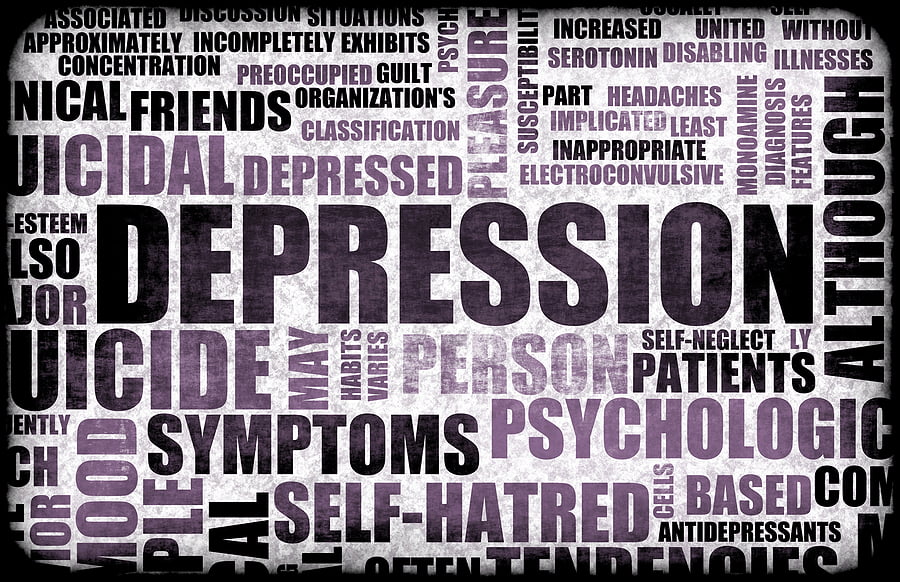
These are fairly common in people with clinical depression. Certainly, it's extremely important to get chest pain looked at by an professional right away. Depression can contribute to the pain associated with chest discomfort.
Many individuals with depression can't sleep well anymore. Some people with depression lose their desire for foods and lose weight.
Depression and Alcohol Consumption
http://depression.emedtv.com/depression/depression.html
Alcohol Consumption and Your Health
Drinking too much can hurt your health. Excessive alcohol use resulted in around 88,000 deaths for around 2.5 million years of future life lost every year in the United State of America from 2006-- 2010, reducing the lives of those who died by an average of 30 years. Further, excessive drinking was responsible for 1 in 10 deaths amongst working-age men and women 20- 54 years of age. The financial costs of excessive alcohol use in 2006 were approximated at $223.5 billion, or $1.90 a drink.
What is a "cocktail"?
In the United States, a standard beverage consists of 0.6 ounces (14.0 grams or 1.2 tablespoons) of pure alcohol. Generally, this quantity of pure alcohol is found in.
12-ounces of beer (5 % alcohol material).
8-ounces of malt liquor (7 % alcohol content).
5-ounces of wine (12 % alcohol material).
1.5-ounces of 80-proof (40 % alcohol material) distilled spirits or liquor (e.g., gin, rum, vodka, scotch).4.
Exactly what is excessive drinking?
Excessive drinking consists of binge drinking, heavy drinking, and any drinking by pregnant ladies or individuals below age 21.
Binge drinking, the most typical type of drinking, is defined as consuming.
For ladies, 4 or more drinks throughout a single celebration.
For men, 5 or more beverages throughout a single event.
Heavy drinking is defined as consuming.
For females, 8 or more beverages per week.
For males, 15 or more beverages weekly.
Many people who drink excessively are not alcoholics or alcohol reliant.5.
What is moderate drinking?

The Dietary Guidelines for Americans specifies moderate drinking as no more than 1 beverage daily for ladies and no greater than 2 drinks per day for guys.4 However, there are some persons who should not drink any alcohol, consisting of those who are:.
Pregnant or trying to conceive.
When blended with alcohol, taking prescription or over-the-counter medications that might cause harmful responses.
Younger than age 21.
Recovering from alcoholism or are not able to control the amount they drink.
Dealing with a medical condition that might be aggravated by alcohol.
Driving, planning to drive, or taking part in other activities requiring skill, awareness, and coordination.
In addition, no one ought to begin drinking or drink more based on potential health benefits.4 By adhering to the Dietary Guidelines, you can decrease the danger of harm to yourself or others.
http://www.moderatedrinkingoptions.com/
Depression: Identifying the Bodily Manifestations
Treating Physical Symptoms
Many of us understand about the emotive indicators of depression. But you may not know that clinical depression can be connected with lots of physical indicators, too.
Lots of people with depression suffer from chronic pain or other physical symptoms. These consist of:
Headaches.
These are fairly typical in people with clinical depression. They might appear worse if you're depressed if you already had actually migraine headaches.
Pain in the back.
It might be worse if you come to be depressed if you previously suffer with back soreness.

Muscle pains and joint pain. Clinical depression can make any kind of persistent discomfort even worse.
Obviously, it's extremely vital to get chest pain checked out by an professional right away. Clinical depression can contribute to the pain associated with chest soreness.
Digestion problems.
You might feel nauseated or queasy . You might have looseness of the bowels or become chronically constipated.
Low energy and fatigue.
No matter how much you sleep, you may still feel fatigued or worn out. Getting out of the bed in the early morning might seem really hard, even impossible.
Sleeping issues.
Many people with clinical depression cannot sleep well any longer. When they get into bed , they wake up too early or can't fall asleep. Others sleep far more than average.
Change in desire for foods or weight.
Some individuals with depression lose their desire for foods and drop weight. Others discover they crave particular foods-- especially those with high carbs-- and gain weight.
Faintness or lightheadedness.
Due to the fact that these indicators occur with lots of conditions, lots of depressed individuals never get aid, due to the fact that they have no idea that their physical manifestations might be due to clinical depression. A great deal of doctors miss the signs, too.
These are relatively typical in people with depression. Clearly, it's very vital to get chest soreness checked out by an professional right away. Clinical depression can contribute to the discomfort associated with chest discomfort.
Numerous individuals with clinical depression can't sleep well any longer. Some individuals with clinical depression lose their desire for food and lose weight.
Depression and Alcohol Consumption
http://www.takingcharge.csh.umn.edu/conditions/anxiety-depression
Alcohol Use and Your Health
Drinking excessively can hurt your health. Exorbitant alcohol use resulted in approximately 88,000 deaths for around 2.5 million years of potential life lost annually in the USA from 2006-- 2010, shortening the lives of those who perished by approximately 30 years. Further, extreme drinking was responsible for 1 in 10 deaths among working-age women and men aged 20-64 years. The economic expenses of excessive alcohol consumption in 2006 were estimated at $223.5 billion, or $1.90 a drink.
What is a "alcoholic beverage"?
In the United States, a standard drink contains 0.6 ounces (14.0 grams or 1.2 tablespoons) of pure alcohol. Normally, this amount of pure alcohol is discovered in.
12-ounces of beer (5 % alcohol content).
8-ounces of malt alcohol (7 % alcohol material).
5-ounces of wine (12 % alcohol material).
1.5-ounces of 80-proof (40 % alcohol content) distilled spirits or alcohol (e.g., gin, rum, vodka, scotch).4.
What is excessive drinking?
Extreme drinking consists of binge drinking, heavy drinking, and any drinking by pregnant females or individuals below age 21.
binge drinking, the most common form of drinking, is specified as consuming.

For women, 4 or more drinks during a single event.
For guys, 5 or more beverages throughout a single event.
Heavy drinking is specified as consuming.
For ladies, 8 or more beverages each week.
For guys, 15 or more beverages weekly.
Most people who drink excessively are not alcoholics or alcohol dependent.5.
What is moderate drinking?
The Dietary Guidelines for Americans defines moderate drinking as no greater than 1 beverage per day for females and no more than 2 drinks daily for men.4 However, there are some persons who should not drink any alcohol, including those who are:.
Pregnant or aiming to conceive.
Taking prescription or over-the-counter medications that may trigger damaging responses when mixed with alcohol.
Below age 21.
Recuperating from alcohol addiction or are not able to manage the amount they drink.
Dealing with a medical condition that might be aggravated by alcohol.
Driving, planning to drive, or taking part in other activities needing coordination, awareness, and ability.
In addition, nobody ought to begin drinking or drink more based on possible health advantages.4 By sticking to the Dietary Guidelines, you can lower the danger of harm to yourself or others.
http://www.alcoholic.org/research/moderate-drinking/
Depression: Recognizing the Physical Manifestations
Treating Physical Signs
Many of us know about the psychological indicators of clinical depression. However you might not recognize that depression can be associated with lots of physical signs and symptoms, too.
In fact, lots of people with depression experience chronic soreness or other physical signs. These consist of:
Headaches.
These are fairly typical in people with depression. They might seem even worse if you're depressed if you previously had actually migraine headaches.
Back pain.
If you already experience pain in the back, it might be even worse if you become clinically depressed.
Muscle aches and joint discomfort. Depression can make any type of persistent discomfort even worse.
Obviously, it's really important to get chest discomfort checked out by an professional right away. Depression can contribute to the pain associated with chest discomfort.
Digestion issues.
You might feel queasy or nauseated . You might have diarrhea or come to be chronically constipated.
Low energy and fatigue.
Regardless of what amount you sleep, you may still feel exhausted or worn out. Getting out of the bed in the early morning may seem to be really hard, even impossible.
Numerous people with depression can't sleep well anymore. They wake up too early or can't fall asleep when they go to bed .
Modification in desire for food or weight.
Some people with depression lose their desire for foods and lose weight. Others find they long for certain foods-- especially those with high carbohydrates-- and gain weight.
Dizziness or lightheadedness.
Since these indicators accompany numerous conditions, numerous depressed people never ever get aid, because they don't understand that their physical symptoms might be caused by clinical depression. A lot of physicians miss out on the symptoms, too.
These are fairly common in people with clinical depression. Undoubtedly, it's very vital to get chest soreness checked out by an professional right away. Depression can contribute to the pain associated with chest soreness.
Lots of individuals with clinical depression can't sleep well any longer. Some individuals with clinical depression lose their desire for food and lose weight.
Depression and Alcohol Consumption
http://health.howstuffworks.com/mental-health/depression
Alcohol Consumption and Your Health
Drinking too much can hurt your health. Excessive alcohol use led to around 88,000 deaths for around 2.5 million years of future life lost each year in the United State of America from 2006-- 2010, shortening the lives of those who perished by an average of 30 years. Further, extreme drinking was accountable for 1 in 10 deaths among working-age women and men 20- 54 years of age. The economic expenses of extreme alcohol consumption in 2006 were estimated at $223.5 billion, or $1.90 a drink.
Exactly what is a "cocktail"?
In the United States, a standard beverage includes 0.6 ounces (14.0 grams or 1.2 tablespoons) of pure alcohol. Usually, this quantity of pure alcohol is found in.
12-ounces of beer (5 % alcohol content).
8-ounces of malt liquor (7 % alcohol content).
5-ounces of wine (12 % alcohol content).
1.5-ounces of 80-proof (40 % alcohol content) distilled spirits or liquor (e.g., gin, rum, vodka, whiskey).4.
Exactly what is extreme drinking?
Extreme drinking includes binge drinking, heavy drinking, and any drinking by pregnant women or individuals younger than age 21.
Binge drinking, the most typical kind of drinking, is specified as consuming.
For ladies, 4 or more drinks during a single event.
For males, 5 or more beverages during a single occasion.
Heavy drinking is specified as consuming.
For females, 8 or more beverages weekly.
For guys, 15 or more drinks weekly.
Many people who drink excessively are not alcoholics or alcohol dependent.5.
What is moderate drinking?
The Dietary Guidelines for Americans defines moderate drinking as no greater than 1 beverage each day for women and no more than 2 drinks daily for men.4 However, there are some persons who should not drink any alcohol, consisting of those who are:.
Pregnant or aiming to conceive.
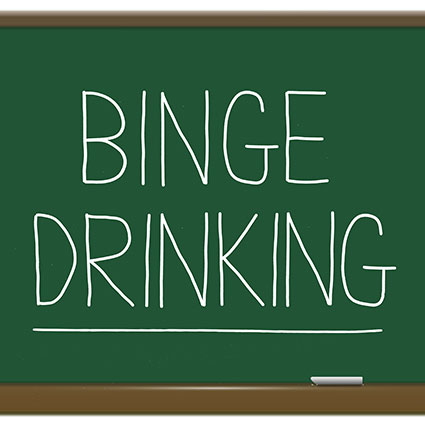
Taking prescription or over-the-counter medications that might trigger harmful reactions when mixed with alcohol.
Younger than age 21.
Recovering from alcoholism or are not able to manage the quantity they drink.
Suffering from a medical condition that might be aggravated by alcohol.
Driving, preparing to drive, or taking part in other activities needing coordination, ability, and alertness.
In addition, nobody ought to begin drinking or drink more based upon potential health advantages.4 By adhering to the Dietary Guidelines, you can decrease the threat of damage to yourself or others.
http://pubs.niaaa.nih.gov/publications/arh23-1/05-14.pdf
Clinical depression: Spotting the Physical Indicators
Addressing Physical Symptoms
The majority of us know of the mental signs of clinical depression. But you may not recognize that clinical depression can be connected with lots of physical indicators, too.
Numerous individuals with clinical depression suffer from chronic pain or other physical indicators. These include:
Headaches.
These are fairly common in people with clinical depression. If you already had migraine headaches, they might appear even worse if you're depressed.
Pain in the back.
It might be worse if you become depressed if you already suffer with back pain.
Muscle aches and joint discomfort. Clinical depression can make any sort of chronic discomfort even worse.
Certainly, it's extremely vital to get chest soreness checked out by an professional right away. Depression can contribute to the pain associated with chest pain.
Digestion problems.
You might feel nauseated or queasy . You might have looseness of the bowels or come to be chronically constipated.

Exhaustion and fatigue.
No matter what amount you sleep, you may still feel tired or worn out. Getting out of the bed in the early morning might seem really hard, even impossible.
Sleeping troubles.
Lots of people with depression can't sleep well anymore. They get up too early or cannot go to sleep when they go to bed. Others sleep a lot more than average.
Change in appetite or weight.
Some people with clinical depression lose their appetite and slim down. Others discover they yearn for certain foods-- especially those with high carbohydrates-- and gain weight.
Faintness or lightheadedness.
Since these signs occur with many conditions, numerous depressed individuals never ever get aid, because they have no idea that their physical indicators might be caused by depression. A great deal of medical professionals miss out on the symptoms, too.
These are fairly typical in people with clinical depression. Undoubtedly, it's extremely important to get chest pain examined by an expert right away. Depression can contribute to the pain associated with chest soreness.
Lots of people with depression can't sleep well any longer. Some individuals with clinical depression lose their appetite and lose weight.
Depression and Alcohol Consumption
Alcohol Consumption and Your Health
Drinking excessively can damage your health. Excessive alcohol use caused roughly 88,000 deaths for around 2.5 million years of future life lost every year in the United State of America from 2006-- 2010, shortening the lives of those who perished by approximately three decade. Further, extreme drinking was responsible for 1 in 10 deaths among working-age women and men aged 20-64 years. The economic expenses of extreme alcohol consumption in 2006 were approximated at $223.5 billion, or $1.90 a drink.
Exactly what is a "drink"?
In the United States, a conventional beverage contains 0.6 ounces (14.0 grams or 1.2 tablespoons) of pure alcohol. Usually, this amount of pure alcohol is discovered in.
12-ounces of beer (5 % alcohol material).
8-ounces of malt liquor (7 % alcohol material).
5-ounces of wine (12 % alcohol content).
1.5-ounces of 80-proof (40 % alcohol content) distilled spirits or liquor (e.g., gin, rum, vodka, bourbon).4.
Exactly what is extreme drinking?
Excessive drinking consists of binge drinking, heavy drinking, and any drinking by pregnant women or individuals younger than age 21.
binge drinking, the most common kind of drinking, is defined as consuming.
For females, 4 or more drinks throughout a single event.
For guys, 5 or more drinks during a single event.
Heavy drinking is defined as consuming.
For women, 8 or more beverages per week.
For guys, 15 or more drinks weekly.

The majority of people who drink excessively are not alcoholics or alcohol reliant.5.
What is moderate drinking?
The Dietary Guidelines for Americans defines moderate drinking as no greater than 1 beverage per day for females and no more than 2 drinks each day for guys.4 However, there are some persons who need to not drink any alcohol, including those who are:.
Pregnant or aiming to conceive.
Taking prescribed or non-prescription medications that might trigger hazardous reactions when combined with alcohol.
Younger than age 21.
Recovering from alcohol addiction or are not able to control the amount they drink.
Experiencing a medical condition that might be aggravated by alcohol.
Driving, preparing to drive, or participating in other activities requiring coordination, skill, and awareness.
In addition, nobody should start drinking or drink more based upon possible health advantages.4 By adhering to the Dietary Guidelines, you can reduce the risk of damage to yourself or others.
http://www.cdc.gov/alcohol/faqs.htm
Depression: Recognizing the Bodily Symptoms
Addressing Physical Symptoms
The majority of us know of the mental indicators of clinical depression. You may not know that depression can be associated with numerous physical manifestations, too.
In fact, many people with clinical depression endure persistent discomfort or other physical indicators. These include:
Headaches.
These are fairly typical in individuals with depression. They might seem worse if you're clinically depressed if you previously had actually migraine headaches.
Pain in the back.
If you previously experience pain in the back, it may be even worse if you come to be clinically depressed.
Muscle pains and joint soreness. Depression can make any sort of chronic soreness even worse.
Clearly, it's very crucial to get chest soreness checked out by an expert right away. Depression can contribute to the discomfort associated with chest pain.

Digestive problems.
You may feel nauseated or queasy . You might have looseness of the bowels or come to be persistantly constipated.
Low energy and tiredness.
Irrespective of what amount you sleep, you may still feel tired or worn out. Getting out of the bed in the morning may seem to be very hard, even impossible.
Sleeping issues.
Lots of people with depression can't sleep well anymore. They wake up prematurely or can't fall asleep when they get into bed. Others sleep far more than average.
Modification in desire for foods or body weight.
Some people with depression lose their desire for foods and slim down. Others find they crave certain foods-- especially those with high carbs-- and gain weight.
Dizziness or lightheadedness.
Since these signs and symptoms accompany lots of conditions, many depressed people never ever get assistance, due to the fact that they have no idea that their physical indicators might be caused by clinical depression. A lot of doctors miss the manifestations, too.
These are relatively common in people with clinical depression. Certainly, it's extremely crucial to get chest soreness looked at by an professional right away. Depression can contribute to the discomfort associated with chest pain.
Many individuals with clinical depression cannot sleep well anymore. Some individuals with clinical depression lose their desire for foods and lose weight.
Depression and Alcohol Consumption
Alcohol Use and Your Health
Drinking excessively can damage your health. Excessive alcohol consumption led to approximately 88,000 deaths for around 2.5 million years of future life lost annually in the United States from 2006-- 2010, shortening the lives of those who perished by about three decade. Further, extreme drinking was responsible for 1 in 10 deaths amongst working-age women and men aged 20-64 years. The economic expenses of excessive alcohol consumption in 2006 were approximated at $223.5 billion, or $1.90 a drink.
What is a "alcoholic beverage"?
In the United States, a standard drink consists of 0.6 ounces (14.0 grams or 1.2 tablespoons) of pure alcohol. Generally, this amount of pure alcohol is found in.
12-ounces of beer (5 % alcohol material).
8-ounces of malt liquor (7 % alcohol material).
5-ounces of wine (12 % alcohol material).
1.5-ounces of 80-proof (40 % alcohol material) distilled spirits or alcohol (e.g., gin, rum, vodka, scotch).4.
What is extreme drinking?
Extreme drinking includes binge drinking, heavy drinking, and any drinking by pregnant females or people below age 21.
Binge drinking, the most common form of drinking, is defined as consuming.
For ladies, 4 or more drinks during a single event.
For males, 5 or more beverages during a single celebration.
Heavy drinking is defined as consuming.
For ladies, 8 or more beverages per week.
For males, 15 or more beverages per week.
Most people who drink excessively are not alcoholics or alcohol dependent.5.
Exactly what is moderate drinking?
The Dietary Guidelines for Americans defines moderate drinking as no greater than 1 drink per day for women and no more than 2 drinks each day for males.4 However, there are some persons who should not drink any alcohol, consisting of those who are:.
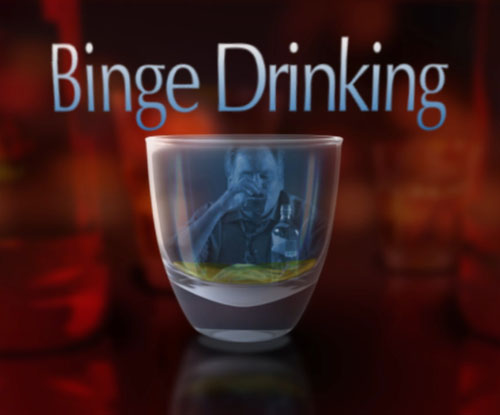
Pregnant or attempting to become pregnant.
Taking prescribed or non-prescription medications that may trigger damaging reactions when combined with alcohol.
Younger than age 21.
Recovering from alcoholism or are unable to manage the amount they drink.
Experiencing a medical condition that may be aggravated by alcohol.
Driving, preparing to drive, or taking part in other activities requiring awareness, coordination, and ability.
In addition, nobody needs to start drinking or drink more based upon potential health advantages.4 By sticking to the Dietary Guidelines, you can minimize the threat of harm to yourself or others.
http://addictionsandrecovery.org/moderate-drinking.htm
Alcohol Use and Your Health
Drinking too much can hurt your health. Exorbitant alcohol consumption resulted in roughly 88,000 deaths for around 2.5 million years of potential life lost every year in the USA from 2006-- 2010, reducing the lives of those who died by an average of 30 years. Further, extreme drinking was responsible for 1 in 10 deaths amongst working-age adults aged 20-64 years. The economic costs of extreme alcohol consumption in 2006 were approximated at $223.5 billion, or $1.90 a drink.
Exactly what is a "alcoholic beverage"?
In the United States, a conventional beverage consists of 0.6 ounces (14.0 grams or 1.2 tablespoons) of pure alcohol. Normally, this amount of pure alcohol is found in.
12-ounces of beer (5 % alcohol content).
8-ounces of malt alcohol (7 % alcohol content).
5-ounces of wine (12 % alcohol material).
1.5-ounces of 80-proof (40 % alcohol material) distilled spirits or alcohol (e.g., gin, rum, vodka, bourbon).4.

What is excessive drinking?
Extreme drinking includes binge drinking, heavy drinking, and any drinking by pregnant ladies or people below age 21.
binge drinking, the most typical kind of drinking, is specified as consuming.
For females, 4 or more drinks during a single celebration.
For males, 5 or more beverages throughout a single event.
Heavy drinking is specified as consuming.
For women, 8 or more drinks each week.
For guys, 15 or more beverages each week.
Many people who drink excessively are not alcoholics or alcohol dependent.5.
What is moderate drinking?
The Dietary Guidelines for Americans specifies moderate drinking as no greater than 1 drink daily for ladies and no more than 2 drinks daily for men.4 However, there are some persons who need to not drink any alcohol, consisting of those who are:.
Pregnant or trying to conceive.
Taking prescribed or over-the-counter medications that may trigger harmful responses when combined with alcohol.
Below age 21.
Recovering from alcoholism or are unable to control the amount they drink.
Suffering from a medical condition that might be aggravated by alcohol.
Driving, preparing to drive, or participating in other activities needing skill, coordination, and alertness.
In addition, nobody needs to begin drinking or drink more based on possible health advantages.4 By sticking to the Dietary Guidelines, you can lower the risk of damage to yourself or others.
http://www.medicalnewstoday.com/articles/265799.php
Alcohol Consumption and Your Health
Drinking excessively can harm your health. Excessive alcohol consumption led to approximately 88,000 deaths for around 2.5 million years of potential life lost each year in the United States from 2006-- 2010, reducing the lives of those who perished by about 30 years. Further, excessive drinking was accountable for 1 in 10 deaths amongst working-age men and women aged 20-64 years. The financial expenses of extreme alcohol consumption in 2006 were approximated at $223.5 billion, or $1.90 a drink.
What is a "drink"?
In the United States, a conventional drink consists of 0.6 ounces (14.0 grams or 1.2 tablespoons) of pure alcohol. Usually, this quantity of pure alcohol is found in.
12-ounces of beer (5 % alcohol material).
8-ounces of malt alcohol (7 % alcohol content).
5-ounces of wine (12 % alcohol material).
1.5-ounces of 80-proof (40 % alcohol material) distilled spirits or alcohol (e.g., gin, rum, vodka, whiskey).4.
Exactly what is extreme drinking?
Extreme drinking consists of binge drinking, heavy drinking, and any drinking by pregnant ladies or people below age 21.
binge drinking, the most common kind of drinking, is defined as consuming.
For ladies, 4 or more beverages throughout a single event.
For men, 5 or more beverages throughout a single occasion.
Heavy drinking is defined as consuming.
For females, 8 or more drinks each week.
For guys, 15 or more drinks each week.
Most people who drink exceedingly are not alcoholics or alcohol dependent.5.
What is moderate drinking?
The Dietary Guidelines for Americans defines moderate drinking as no greater than 1 drink per day for ladies and no greater than 2 beverages daily for guys.4 However, there are some persons who should not drink any alcohol, consisting of those who are:.
Pregnant or aiming to conceive.
When blended with alcohol, taking prescribed or over-the-counter medications that may cause dangerous responses.
Below age 21.
Recovering from alcohol addiction or are unable to manage the quantity they drink.
Struggling with a medical condition that may be aggravated by alcohol.
Driving, planning to drive, or participating in other activities requiring ability, awareness, and coordination.
In addition, nobody ought to begin drinking or drink more based on potential health benefits.4 By adhering to the Dietary Guidelines, you can decrease the danger of harm to yourself or others.
http://www.moderation.org/readings.shtml
2O Reasons To Quit Consuming Alcohol Today
Alcoholdependence is a chronic and fatal disease. After extended exposure to alcohol, the brain adjusts to the distortions alcohol produces and comes to be dependent on it. The longing for alcohol may be as powerful as the need for water and food.
click
Consuming alcohol in moderate quantities might not be bad to your health. A female can have 1 beverage per day and a man can have 2 to 3 beverages per day.
Listed here are some reasons to quit drinking:
Alcohol is hurtful for your blood pressure. Even modest amounts of alcohol can trigger the blood pressure to rise, most especially in older adults.
Problem drinkers are more vulnerable to liver illness. It may cause varicose veins in the stomach lining which may swell up due to liver blockage and all of a sudden ruptured. The bleeding may be very difficult to stop.
It damages your body's defenses. Chronic drinkers have weak body immune systems and are more susceptible to infections, allergies, and illness. Their injuries likewise take more time to heal than normal.
Heavy alcohol consumption may make your bones weak and help make you extra susceptible to bone disease. Consuming alcohol may prevent the formation of fresh bone tissues and induce low bone mass.
Alcoholics have a greater risk of infection after a heart surgical operations. Chronic alcoholics are 4 times more likely to get post-operative infections following heart surgery than nonalcoholic individuals.
Alcohol influences your heart rate, body temperature, hormone levels and pain limit. Consuming alcohol may have negative repercussions on these biological rhythms. Long-lasting effects of consuming alcohol are irreversible damage to crucial organs such as the brain and liver. Consuming alcohol results in poor memory and coordination, poor judgment, slowed reflexes or even blackouts.
Mothers who consume alcohol while pregnant delivered babies suffering from fetal alcohol syndrome (FAS). These babies might suffer from mental retardation and other irreversible physical abnormalities.
Additionally, research shows that kids of alcoholic parents are at higher danger than other youngsters of becoming alcoholics.
Alcohol is typically associated with Obesity. Alcoholics are usually overweight since alcohol has lots of calories, so, even some drinks a day will fatten you up in no time. And alcohol has no important nutrients like vitamins and minerals. Alcohol cause irregular heart beat. It increases the risk of developing a specific type of irregular heart beat, referred to as atrial fibrillation, or atrial flutter.
Alcohol may act as a 'Blood Thinner'. Consuming even moderate quantities of alcohol may influence blood coagulation and serve as a blood thinner.
Research reveals that heavy drinkers are commonly also heavy smokers.
Alcoholics commonly struggle with depression and tension.
Alcoholics might have severe sleep conditions and those who are trying to give up, may likewise struggle with these sleep problems for many months after quitting.
Alcohol might harm the thyroid function in females.
Alcohol is bad for your sexuality. It gives a high probability for sexual dysfunctions that may cause impotence and erection problems.

Alcohol dependence makes you more prone to abusive and violent behavior. Alcohol also increases the dangers of domestic violence, like child abuse and crashes while driving. Alcohol consumption makes your mind temporarily a little insane and you might not realize exactly what you are doing. There are more possibilities of sexual violence.|Alcohol also increases the dangers of domestic violence, child abuse and accidents while driving. Alcohol consumption makes your mind temporarily a little crazy and you http://www.webmd.com/mental-health/addiction/alcohol-abuse-and-dependence-topic-overview might not realize exactly what you are doing.
You might additionally suffer from a hangover after consuming substantial quantities of alcohol. You might experience headache, queasiness, tiredness, light-headedness, and thirst.
Extended use of alcohol may lead to addiction (alcoholism). And abrupt quiting may produce withdrawal signs, consisting of intense anxiety, hallucinations, convulsions and tremors.
After prolonged exposure to alcohol, your brain adapts to the changes alcohol makes and comes to be reliant on it. Drinking alcohol in moderate quantities might not be injurious for your health and well-being. Drinking alcohol can have negative effects on these biological rhythms. Alcoholics are typically obese due to the fact that alcohol is full of calories, so, even some drinks a day will fatten you up in no time. Alcohol likewise increases the threats of domestic violence, child abuse and accidents while driving.
Signs and Symptoms of Abusive Alcohol Consumption
Alcohol abuse professionals make a distinction relating to alcohol abuse and alcohol dependency (also called alcohol dependence). Unlike alcoholics, alcohol abusers possess some power to establish limits on their alcohol consumption. Their alcohol use is still self-destructive and unsafe to themselves or others.
Typical symptoms and signs of alcohol abuse consist of:
http://ragingalcoholic.com/drunk-driving/
Repeatedly overlooking your responsibilities around the house, at professionally, or at school as a result of your drinking. Performing inadequately at the workplace, flunking classes, neglecting your children, or skipping out on responsibilities because you're hung over.
Using alcohol in situations where it's physically dangerous, such as drunk driving, running machinery while intoxicated, or combining alcohol with prescription medication contrary to doctor's orders.
Experiencing repeated legal issues on account of your drinking. Getting arrested for drunk driving or for drunk and disorderly conduct.
Continuing to drink even though your alcohol use is creating troubles in your relationships. Getting drunk with your buddies, such as, despite the fact that you understand your spouse will be very upset, or fighting with your family because they dislike how you act when you consume alcohol.
Drinking as a way to de-stress or unwind. When individuals use alcohol to self-soothe and ease tension, many drinking https://www.dosomething.org/facts/11-facts-about-alcohol-abuse issues start. Getting drunk after every difficult day, for example, or reaching for a bottle each time you have an argument with your partner or employer.

Alcohol Effects Listed
Even though alcohol impacts each of us in a different way, habitually consuming alcohol excessively is likely to create issues in both the short and long term.
The effects of alcohol are dependent on a http://www2.courtinfo.ca.gov/stopteendui/teens/resources/substances/alcohol/short-and-long-term-effects.cfm range of variables, involving:
Body weight
Amount of fat or muscle
Other prescription medications and substances in your body
Other types of chemicals in your beverages
Sex
Age
How quick you consume alcohol
The amount of food in the stomach
ragingalcoholic.com/is-alcoholism-a-disease/
Tolerance to alcohol (ETOH)
Personal health
Mental health and emotional state.
Drinking history
Short-term impacts
Alcohol poisoning, death and coma
Memory loss
Motor vehicle, bicycle and pedestrian accidents.
Queasiness and throwing up.
Fires
Dissheveled appearance
Headache
Personal injuries connected with falls, accidents, violence and deliberate self-harm
Lack of inhibitions and a fraudulent sense of self-confidence.
Extreme frame of minds ( hostility, bliss, melancholy).
Absence of motor skills.
Diminished focus.
Slowed reflexive responses.
Slurred articulation.
Blurred vision
Drowning
Chronic impacts.
Alcohol addiction
Alcohol related brain injury.
Family and relationship difficulties.
Unsatisfactory on the job effectiveness.
Legal and personal economic troubles.
Concentration and long-term memory troubles.
Heart and cerebrovascular diseases consisting of hypertension and stroke.
Cancer malignancies (including most cancers of the mouth, pharynx, larynx, gullet, bowel (in men) and breast (in women).
Cirrhosis and liver failure.
Poor health and nutrition.
Difficulties with the nerves of the legs and arms .
Sex-related and reproductive problems (impotence, fertility).
Body skin issues.
Stomach grievances and difficulties.

Stages of Alcoholism, Alcoholism Stages
Alcoholism Stage 1: Abstaining
If a person has attitudes and perceptions uniform with those that addicts generally display, alcohol addiction can actually start before the drinking commences.
Alcoholism Stage 2: Initial Usage

Stage two can include things like the experimental usage of alcohol, irregular use, or periodic binge alcohol consumption (i.e., once or twice a year). First use of alcohol may not be a problem for the user or those people who are close to the user. Occasional alcohol consumption may well provoke difficulties while the user is drunk or the next day, he or she has not got to the stage of addiction.
Alcoholism Stage 3: High Risk Use
Significant risk refers to an abundance of alcohol consumption, and poor choices made when intoxicated. At this stage, the pattern and frequency of alcohol abuse is high enough to be dangerous for the drinker and people around them.
Alcoholism Stage 4: Problematic Use
When the negative consequences of alcohol consumption becomes observable, problematic usage of alcohol happens. Health concerns become problems, including things like damaged liver function and/or STDs (sexual transmitted diseases). DUI (driving under the influence) charges may well occur, and/or other legal problems connected with drinking to excess and making bad decisions. Family and friends notice there is a problem.
Alcoholism Stage 5: Early Stage of Dependence
The early stage of alcohol addiction is characterized by obvious issues. At this point, alcohol rehab is most effective.
Alcoholism Stage 6: Middle Stage of Dependency
During the middle stage of alcoholism, adverse consequences begin to intensify. The user loses his or her job due to too many skipped days at work. Alcohol-induced fights end relationships. The consequences of the negative consequences of alcoholism become irreversible.
Alcoholism Stage 7: Crisis Stage of Dependency
At this crisis point, everybody is aware of the consequences of alcoholism, including the alcoholic. Serious health concerns become issues. The alcoholic is rarely without a drink, but the user believes he or she is deceiving everyone. This stage frequently leads to alcohol-related deaths for the users if they do not enter alcohol rehab.
Stage two can include the experimental use of alcohol, occasional use, or irregular binge alcohol consumption (i.e., once or twice a year). Initial usage of alcohol may well not yet be a problem for the user or those people who are close to the user. Problematic use of alcohol occurs when the harmful consequences of drinking becomes obvious. The early stage of alcohol addiction is distinguisheded by obvious problems. At this point, alcohol rehab is most effective.
Definition
Definition of Alcoholism
The widely used definition is based on the definitions of E.M. Jellinek, the World Health Organization and the American Medical Association. "Alcoholism is a chronic, progressive treatable disease in which a person has lost control over her or his drinking so that it is interfering with some vital area of her or his life such as family and friends or job and school or health.
Which area will be affected first?
Someone does not need to have trouble in all these areas to be diagnosed as an alcoholic. If alcohol is interfering with one or more areas, alcoholism can be identified. Usually in the early stages of alcoholism, family and friends are affected. Personality changes, emotional withdrawal, mood swings, broken promises, and absences due to drinking affect those close to the alcoholic. For some people with alcoholism, it may be years before alcoholism affects outside activities such as jobs or school, as demonstrated in the expressions "he provided his family with everything" or "she never missed a day of work." Health is not affected for some people until years after other areas of living have been damaged by alcoholic drinking. If we wait for health problems to develop as an "absolute" indicator of alcoholism, we may have wasted precious time and opportunities to diagnose the disease and to treat it.
Why do we call alcoholism a disease which is chronic, progressive and treatable?
The American Medical Association gave formal recognition to the "disease concept" in 1956. Understanding the disease concept helps to remove the stigma of alcoholism for the alcoholic and the family. Certain assumptions which apply to other chronic accepted diseases such as diabetes also apply to alcoholism:
Alcoholism is something which can be described and defined.
Alcoholism has a predictable progression through early, middle, and late stages with definitive warning signs at each stage.
The loss of control over alcohol is primary to the disease or alcoholism and not a symptom of an underlying disorder.
Alcoholism is permanent. Once someone has lost control over her or his drinking, they will not regain it.
Alcoholism is permanent. Once someone has lost control over her or his drinking, they will not regain it.
Alcoholism is terminal. Alcohol is directly or indirectly the cause of death for most alcoholics who do not seek treatment.
Alcoholism is treatable. Total abstinence from alcohol is the necessary first step in the treatment of alcoholism. For most alcoholics, long-term outside support is essential for a lifetime of recovery.
Does "loss of control" mean that someone drinks every day or gets drunk every time they drink?
Drinking patterns vary depending on life circumstances and on the progression of the disease. The key to understanding "loss of control" is the inability of the alcoholic to predict what will happen when he or she does drink. For some people this may mean controlled social drinking interspersed with episodes of drunkenness and for others daily, compulsive drinking and getting drunk. It is losing the power of choice over what will happen after taking the first drink that is at the heart of "loss of control over alcohol."
Why is physical addiction not part of this definition?
Only a small percentage of the total population of alcoholics at any given time (12% or 14%) are physically addicted to alcohol. The definition is based upon the consequences of someone's drinking, not on whether someone is physically addicted.
Alcoholism/Medical Model (Boston Globe 4/9/96)
While biology certainly plays a role in addiction, it isn't the whole or even most of the story. The social and environmental factors behind why people drink or take drugs, as well as their beliefs about how their drug of choice helps them, are just as critical in understanding and treating addictions.
"Biobehavioral" framework therapists explore why people like to drink and try to set up a gradual process of change that requires the alcoholic to take responsibility for their behavior.
The model says that the alcoholic is responsible for recovery, but not necessarily responsible for the cause of their addiction.
Instead of confronting problem drinkers and telling them they must quit "or else," the new biobehavioral approach is based on the realization that drinking or taking drugs gives addicts something they may not want to give up.
https://www.mtholyoke.edu/health/definition_of_alcoholism

